
 Facebook
 X
X
 Pinterest
 Copy Link

New England winters bring freezing temperatures, snow, and ice that can cause serious damage if your home is not properly prepared. Winterizing your home is essential for comfort, safety, and protecting your investment. Below is a detailed guide with thorough explanations, examples, and helpful links for each step.
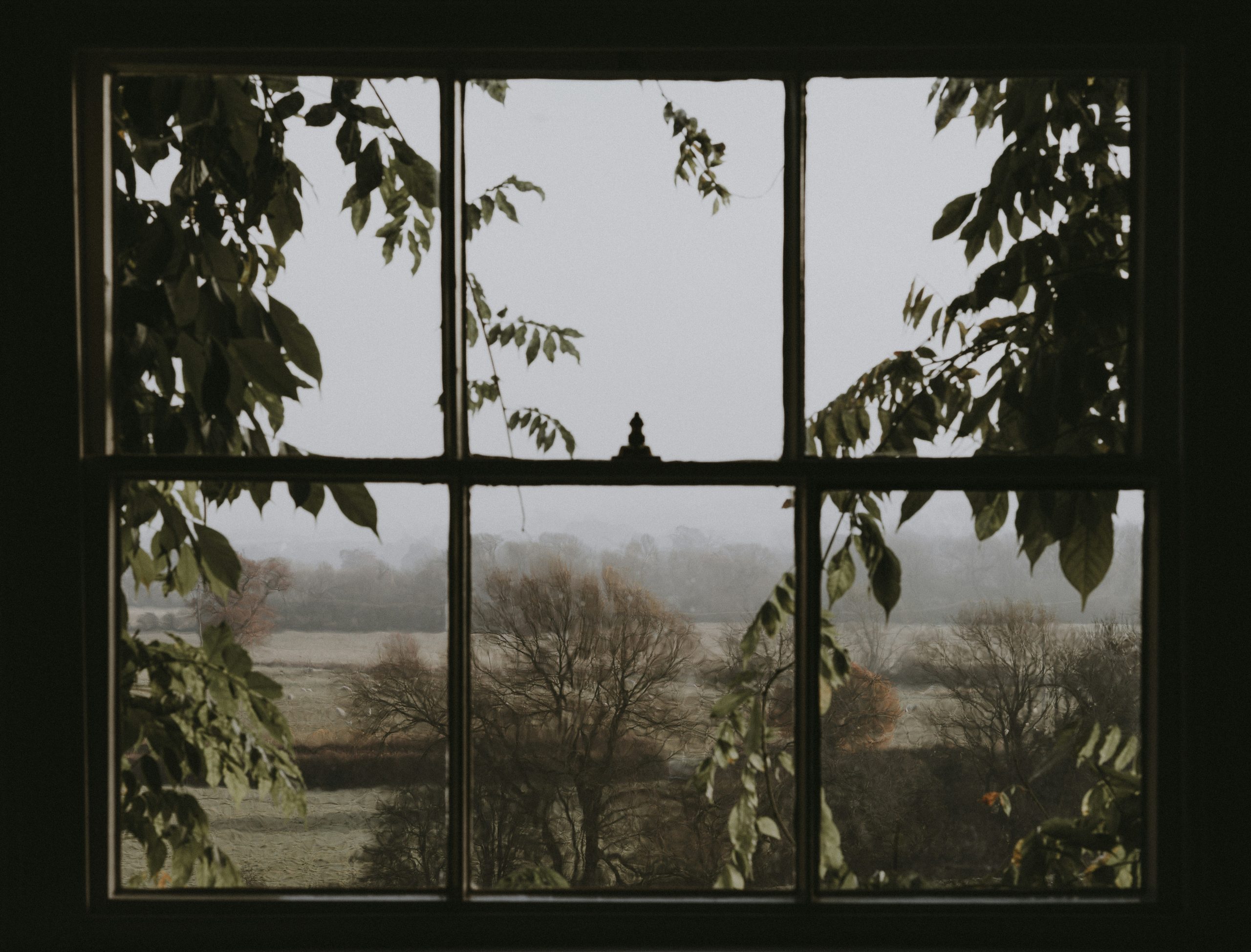
1. Inspect and Seal Windows and Doors
Cold air sneaks in through gaps around windows and doors, making your heating system work harder and increasing energy bills.
What to do:
- Walk around your home on a windy day and feel for drafts.
- Apply weatherstripping to doors and caulk gaps around windows.
Why it matters: Even small leaks can waste significant heat and money.
Example: Sealing a drafty living room window with silicone caulk can save hundreds annually.
Source: [energy.gov]
2. Service Your Heating System
Your furnace or boiler is the heart of your home in winter.
What to do:
- Schedule a professional tune-up before the first freeze.
- Replace filters every 1–3 months to maintain efficiency.
Why it matters: A clogged filter can reduce airflow and increase energy use by up to 15%.
Example: A $100 tune-up today could prevent a $1,000 breakdown in January.
Source: [energystar.gov]
3. Protect Your Pipes
Frozen pipes can burst and flood your home, causing thousands in damage.
What to do:
- Wrap exposed pipes in foam insulation sleeves in basements, attics, and crawl spaces.
- Keep home heated to at least 55°F even when away.
Why it matters: Water expands when frozen, and pipes cannot handle that pressure.
Example: Insulating basement pipes prevents freezing on sub-zero nights.
Source: [familyhandyman.com]
4. Clean Gutters and Downspouts
Clogged gutters cause ice dams, leading to roof leaks and water damage.
What to do:
- Remove leaves and debris in late fall.
- Ensure downspouts direct water 3–4 feet from the foundation.
Why it matters: Ice dams damage shingles and interior ceilings.
Example: Gutter guards can reduce maintenance and prevent winter clogs.
Source: [mrdiyguy.com]
5. Check Your Roof
Snow and ice can damage shingles and cause roof leaks.
What to do:
- Inspect for cracked or missing shingles and repair them.
- Trim branches that hang over the roof.
Why it matters: Winter roof repairs are costly and risky.
Example: Professional inspections for roofs older than 15 years catch problems before storms.
Source: [engineerfix.com]
6. Seal Your Attic
Heat loss through the attic increases energy bills and ice dam risks.
What to do:
- Upgrade insulation and fill gaps around vents and chimneys.
- Use spray foam or caulk to seal leaks.
Why it matters: Proper insulation can save up to 20% on heating costs.
Example: Insulating an under-insulated attic floor can make a big difference in comfort and savings.
Source: [energy.gov], [energystar.gov]
7. Prepare Your Yard
Outdoor maintenance prevents damage in spring.
What to do:
- Drain and store garden hoses.
- Shut off and drain outdoor faucets and sprinklers.
Why it matters: Frozen irrigation lines can crack and cost hundreds to fix.
Example: Covering shrubs with burlap protects them from harsh winter winds.
Source: [consumerreports.org]
8. Test Smoke and Carbon Monoxide Detectors
Winter heating increases the risk of carbon monoxide poisoning.
What to do:
- Replace batteries and test detectors monthly.
- Place CO detectors near bedrooms and get more if needed.
Why it matters: CO is odorless and deadly, and working detectors can save lives.
Example: A $20 detector can protect your family during a furnace malfunction.
Source: [epa.gov], [nfpa.org]
9. Stock Up on Winter Essentials
Be prepared for storms and power outages.
What to do:
- Store salt or sand for icy walkways.
- Keep flashlights, batteries, blankets, and bottled water on hand.
Why it matters: Winter storms may cut power for days.
Example: A small generator can safeguard your food supply during outages.
Source: [fema.gov], [ready.gov]
10. Bonus Tip for Sellers
A winter-ready home shows care and quality.
What to do:
- Highlight upgrades like insulation and energy-efficient windows in your listing.
Why it matters: Motivated winter buyers are looking for move-in ready homes.
Example: “Recently winterized with upgraded attic insulation and smart thermostat” is a strong selling point.
Source: [realtor.com]
Final Thoughts
Winterizing your home is not just about comfort. It is about protecting your investment and avoiding costly repairs. Start early, and you will enjoy peace of mind all season long.
Ready to Make Your Home Winter-Ready? ❄️
Don’t get left out in the cold. If you need expert advice on preparing your home for winter or selling during the season, I am here to help.

📞 Call Alison at (617) 966‑7837
📧 Email: alison.estabrooks@cbrealty.com
Let me guide you every step of the way so your home stays cozy and market-ready all winter long.


