
 Facebook
 X
X
 Pinterest
 Copy Link
Ice Dam Prevention Tips for New England Homeowners After Heavy Snowfall
Top Ice Dam Prevention Tips
These recent winter storms have been quite an adjustment, especially since we have not seen this level of snowfall in New England for several years. As we all get back into the rhythm of shoveling, snow blowing, and winter storm prep, it is also the perfect time to look upward and check your roof.
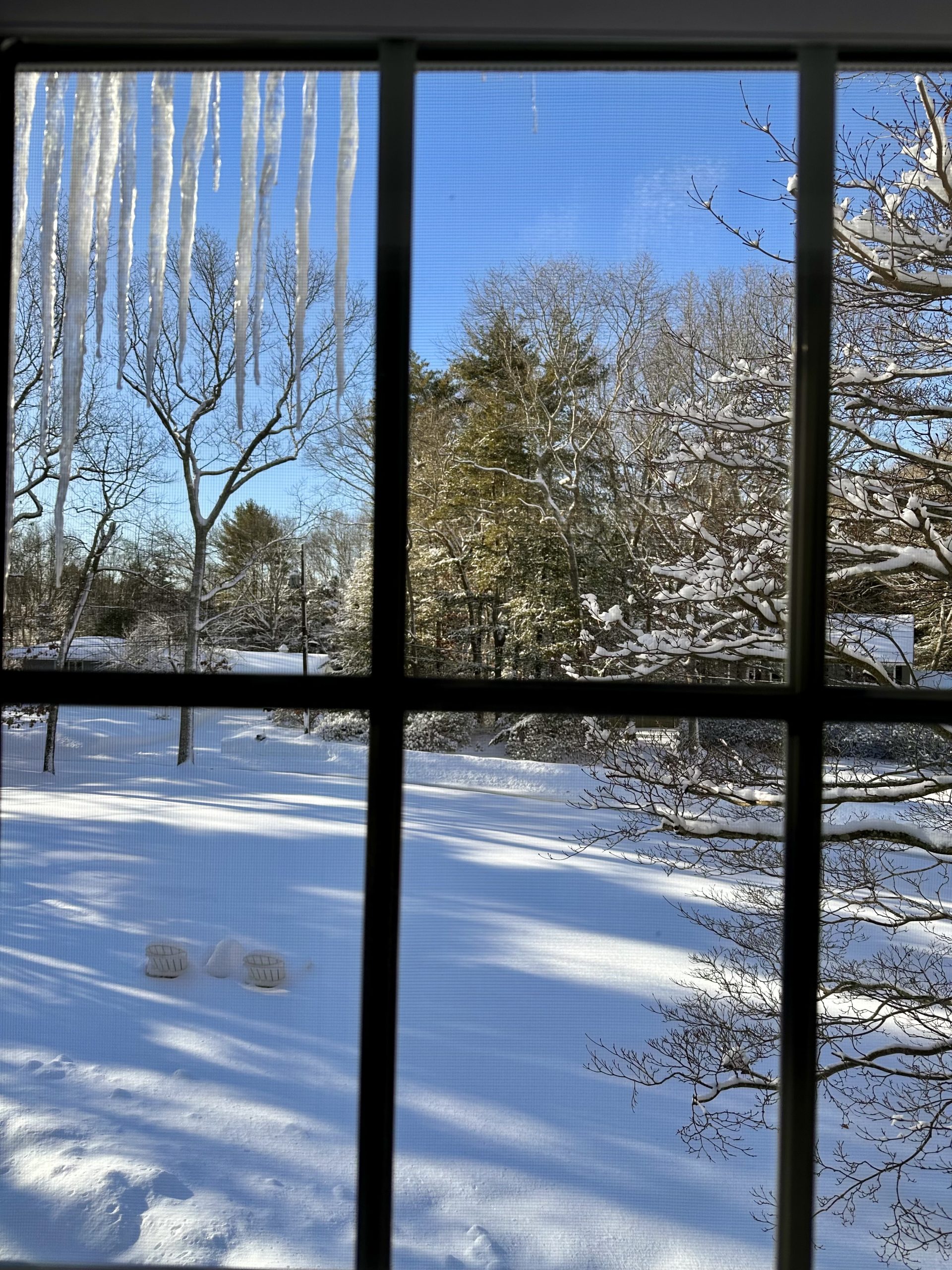
Those sparkling icicles may look beautiful, but they can be a sign that ice dams are forming. Ice dams can cause serious water damage, so understanding how to prevent them is essential for every homeowner.
In this guide, we cover how ice dams form, the damage they can cause, and the best ways to prevent ice dams after heavy snowfall.
What Are Ice Dams?
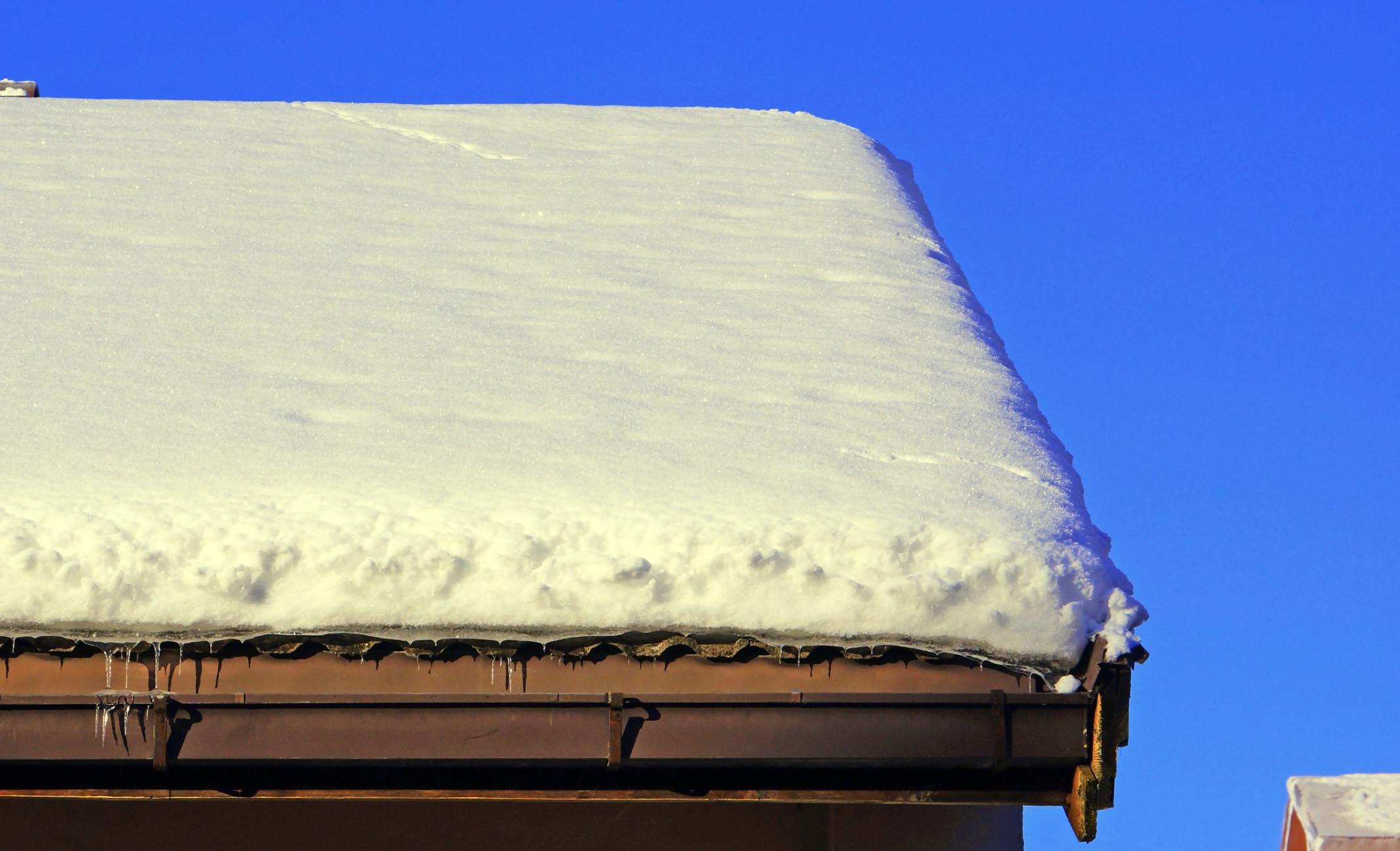
Ice dams form when snow on your roof melts and then refreezes near the roof edge. Here is the simple breakdown:
- Warm air from inside your home escapes into the attic and warms the underside of the roof.
- Snow on the warmed surface melts.
- Melted water flows to the colder roof overhang.
- The water refreezes and forms a ridge of ice.
- Water continues to back up behind the ice and may leak under shingles and into your home.
If icicles are forming, or you see thick ice along your roof edge, you may be experiencing an ice dam.
Why You Should Prevent Ice Dams
Ice dams can cause major home damage if ignored. Common issues include:
- Roof leaks
- Damaged or loosened shingles
- Soaked and ruined insulation
- Broken or detached gutters
- Warped hardwood floors
- Stained ceilings and walls
- Mold and mildew growth
Repairing ice dam damage can be costly, which is why prevention is so important for homeowners in New England winters.
Snow Build Up Can Damage Roof
Top Ice Dam Prevention Tips
The best way to prevent ice dams is to keep your roof cold and maintain proper water drainage.
1. Clear Your Gutters Before Snowfall
Clean, open gutters let melting snow drain properly. Clogged gutters can freeze and create the perfect environment for ice buildup.
2. Improve Attic Insulation
A well‑insulated attic keeps warm air from rising into your roof. Proper insulation helps maintain an even roof temperature, which reduces melting and refreezing.
3. Ensure Proper Attic Ventilation
Good ventilation allows cold outdoor air to circulate through your attic. This keeps the underside of your roof colder and helps prevent ice dams from forming in the first place.
4. Remove Snow Safely With a Roof Rake
After each snowfall, use a roof rake to remove snow from the lower sections of your roof. This minimizes melting and refreezing, especially during temperature fluctuations.
If you are not comfortable performing any of these tasks, consider hiring a professional.
How to Safely Deal With an Existing Ice Dam
If an ice dam has already formed:
- Do not climb onto your roof. It is extremely slippery and dangerous.
- Do not try to chip or hack away ice. This can damage shingles and cause injury.
- Use a long‑handled roof rake from the ground to remove snow.
- Place a pair of nylon stockings filled with calcium chloride on top of the ice to create a channel for water to drain.
These methods are temporary solutions, and long‑term prevention should still be your priority.
Protect Your Home This Winter
Living in New England means embracing snowy winters, but understanding proper ice dam prevention can help you avoid costly repairs and protect the long‑term value of your home.
If you have questions about winter home maintenance, are preparing for a future sale, or want personalized advice about improvements that boost property value, I am always happy to help.
Stay warm, stay safe, and enjoy the beauty of winter in New England.

📞 Call Alison at (617) 966‑7837
📧 Email: alison.estabrooks@cbrealty.com
Let me guide you every step of the way.
For more detailed guidance on insulation best practices, the U.S. Department of Energy provides a helpful resource on home weatherization.
https://www.energy.gov/energysaver/weatherize/insulation
https://www.fema.gov/fact-sheet/ice-dam-overview-prevention-and-safety


